
Have you ever felt like you’re constantly running on empty?
You make it through the day. You get the kids where they need to go. You show up for work. You check off the never-ending to-do list. From the outside, everything might look fine.
But internally? You feel exhausted, overwhelmed, reactive, anxious, disconnected, or simply stuck.
If that sounds familiar, there’s a good chance your nervous system is spending too much time in survival mode.
Survival Mode: Helpful in Emergencies, Harmful as a Lifestyle
Your nervous system is responsible for coordinating and controlling every function in your body. It determines how you respond to stress, how well you sleep, digest food, regulate emotions, focus, heal, and connect with others.
When your brain perceives stress or danger, it activates the sympathetic nervous system—often called the “fight-or-flight” response.
This response is incredibly important when you need to react quickly to a real threat.
The problem is that today’s stressors don’t look like running from predators.
Instead, they look like:
- Busy schedules
- Financial pressure
- Work demands
- Family responsibilities
- Poor sleep
- Screens and constant stimulation
- Pregnancy and birth stress
- Emotional trauma
- Physical injuries
When the nervous system never gets a chance to fully recover, it can become stuck in a state of chronic stress and survival.
Signs Your Nervous System May Be Stuck in Survival Mode
Many people assume stress only affects their mood, but it impacts the entire body.
Common signs include:
- Anxiety or feeling constantly on edge
- Irritability and emotional reactivity
- Brain fog and difficulty concentrating
- Poor sleep or trouble staying asleep
- Digestive issues
- Frequent headaches or migraines
- Fatigue despite getting enough rest
- Increased tension in the neck, shoulders, and back
- Feeling disconnected from your family or relationships
- Difficulty adapting to everyday stressors
These aren’t signs that your body is failing you.
They’re often signs that your nervous system is working overtime to protect you.
Thriving Looks Different
When the nervous system is balanced and regulated, your body can shift out of survival mode and into a state of healing, growth, and connection.
This is where true thriving happens.
A thriving nervous system allows you to:
- Handle stress more effectively
- Sleep deeper and wake refreshed
- Think clearly and focus better
- Experience more patience and emotional resilience
- Recover faster from challenges
- Enjoy stronger immune function
- Feel more connected to your spouse, children, and friends
- Have the energy to fully participate in life
Thriving doesn’t mean life becomes stress-free.
It means your body has the capacity to adapt to stress without becoming overwhelmed by it.
Why So Many People Struggle to Get Out of Survival Mode
One of the biggest misconceptions about health is that if symptoms improve, the problem is gone.
But many people are unknowingly living with nervous system dysregulation.
Years of physical, chemical, and emotional stress can create patterns within the nervous system that become the body’s “new normal.”
You may have become so accustomed to feeling stressed, tired, anxious, or overwhelmed that you no longer recognize how much energy your body is spending simply trying to survive.
That’s why willpower alone often isn’t enough.
You can’t think your way out of a stressed nervous system.
The nervous system itself must be addressed.
How Chiropractic Care Helps
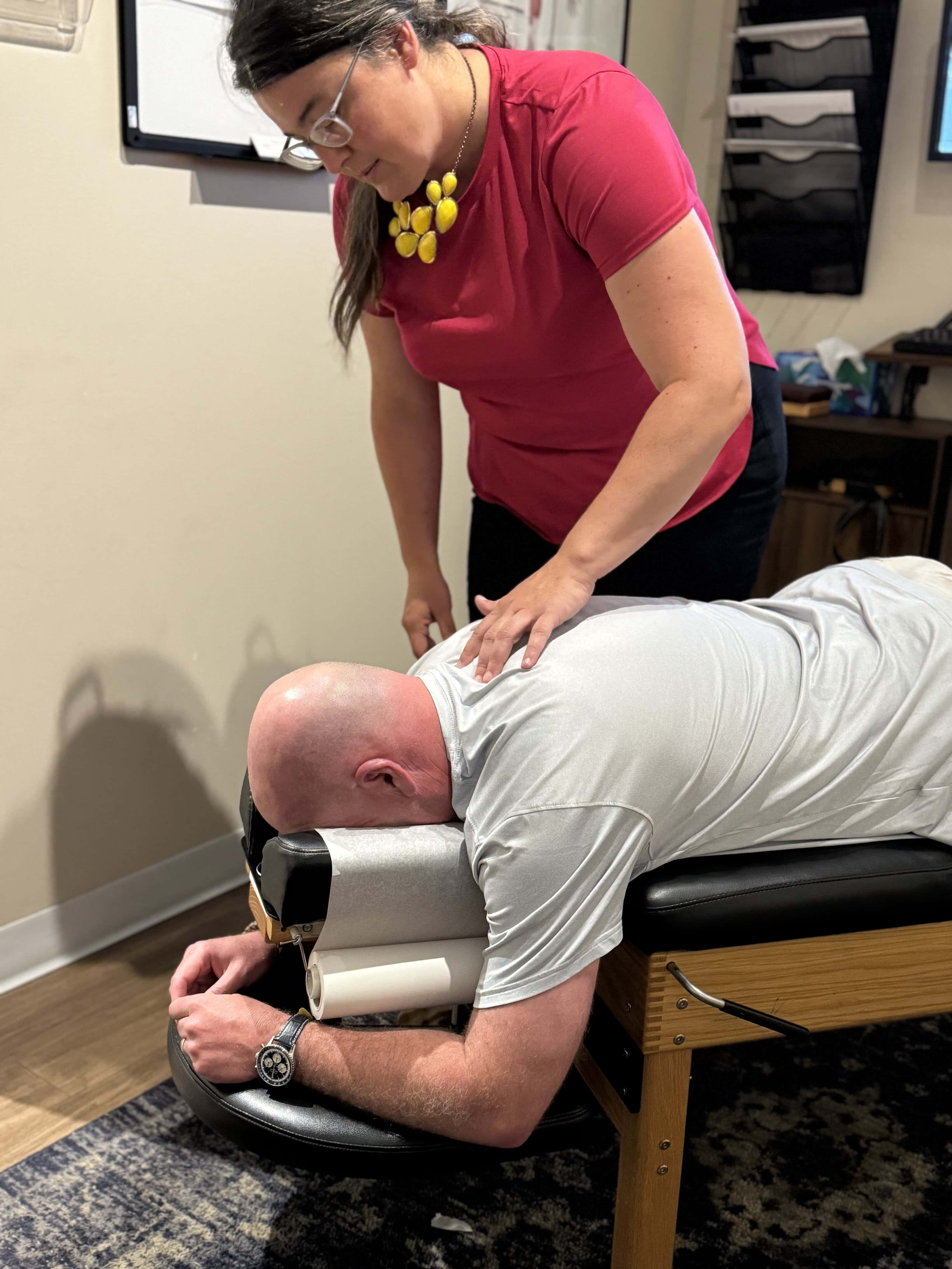
At Hope Chiropractic, we focus on the nervous system first.
Through advanced neurological scans, we’re able to objectively assess how well the nervous system is adapting to stress and where interference may be preventing optimal function.
Gentle, neurologically-focused chiropractic adjustments help improve communication between the brain and body, allowing the nervous system to shift from protection and defense toward healing and regulation.
As the nervous system becomes more balanced, many patients report improvements in areas they never expected:
- Better sleep
- More energy
- Improved emotional regulation
- Fewer headaches
- Better digestion
- Reduced anxiety
- Improved focus
- Greater resilience during stressful seasons
These changes aren’t because we’re treating symptoms.
They’re because the body functions better when the nervous system functions better.
You Were Created for More Than Survival
The goal isn’t simply to make it through another day.
The goal is to have the energy, resilience, and capacity to fully experience your life.
To be present with your children.
To enjoy your relationships.
To pursue your goals.
To wake up feeling rested.
To adapt to challenges without feeling overwhelmed.
Your body was designed to heal, grow, and thrive.
Sometimes it just needs the right support to get there.
If you’ve been stuck in survival mode for months—or even years—it may be time to stop asking, “How do I get through this?” and start asking, “What would it look like to truly thrive?”
Because thriving isn’t a luxury.
It’s how your nervous system was designed to function.