
If your child came home from the first week of school with a runny nose, a cough, or a mystery fever, you’re not imagining a pattern — you’re living one that plays out in nearly every household with school-age kids.
Why the First Few Weeks Hit So Hard
A few things collide at once in late summer and early fall:
- New germ exposure. Kids who spent the summer mostly with family are suddenly sharing crayons, lunch tables, and door handles with dozens of other children — each carrying their own set of viruses.
- Disrupted sleep schedules. Later summer bedtimes crash into early school mornings, and sleep is one of the biggest levers for a child’s immune function.
- Stress and adjustment. New teachers, new classrooms, and new social dynamics are genuinely taxing for kids, and stress hormones can dampen immune response.
- Weather transitions. Cooler mornings, air conditioning switching to indoor heating, and more time spent indoors all make it easier for viruses to spread.
None of this means your child is fragile or that you’re doing something wrong. It’s a predictable seasonal and social shift, and there’s a lot you can do to soften the impact.
A Closer Look: Chiropractic Care as Part of the Plan
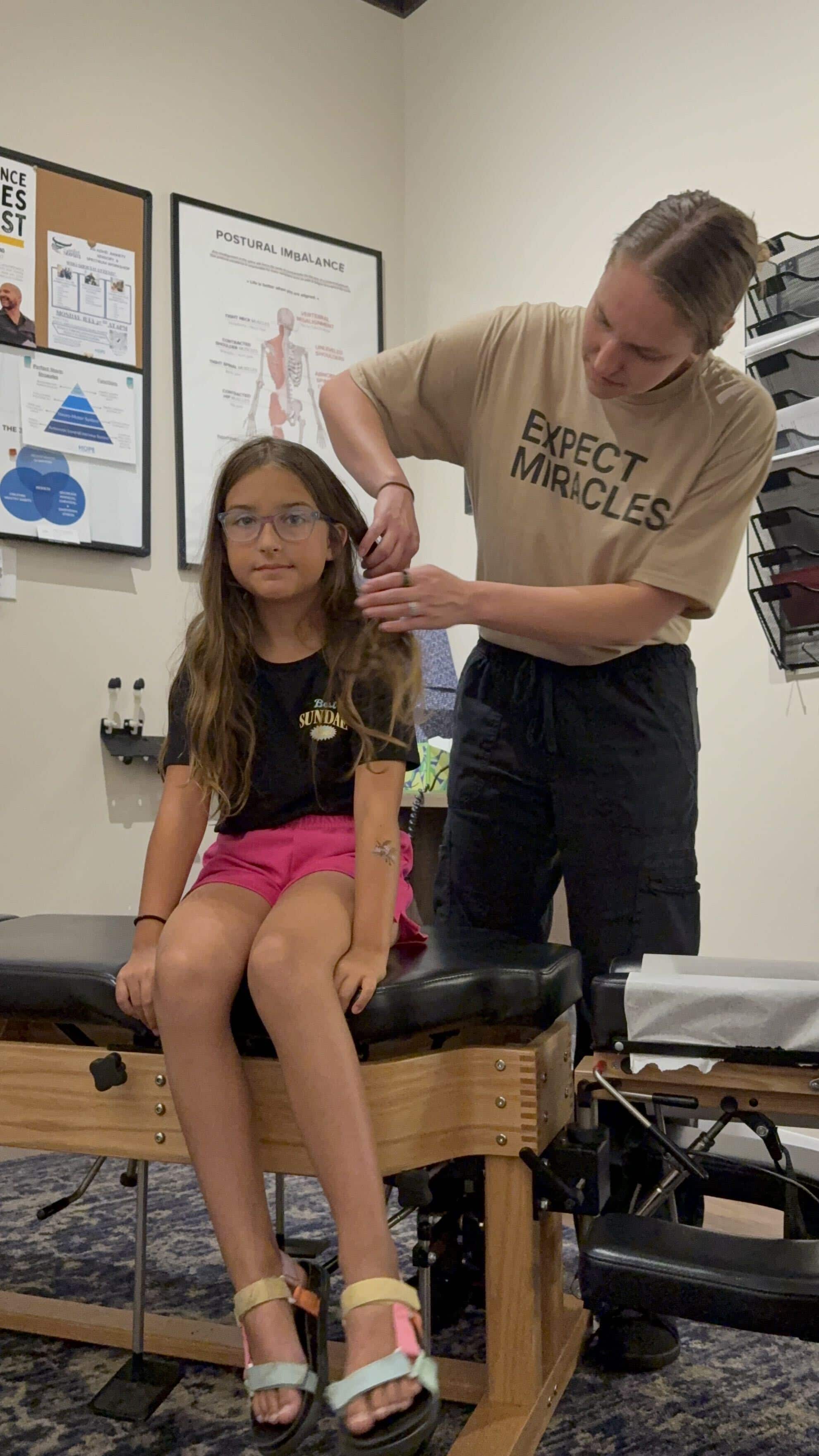
Of all the tools parents reach for during this transition, pediatric chiropractic care is one of the most powerful — and it deserves a real look, not just a footnote.
The reasoning behind it centers on the nervous system. Your child’s brain and spinal cord regulate nearly every function in the body, including the systems that respond to stress and fight off illness. When a child’s routine changes as dramatically as it does at back-to-school time — new physical demands like heavier backpacks and hours in a classroom chair, new emotional stress, disrupted sleep — that adds real physical and nervous system load. Chiropractors who work with children focus on identifying and gently correcting spinal misalignments (sometimes called subluxations) that interfere with that load, helping the nervous system function the way it’s designed to.
Many parents who incorporate regular pediatric chiropractic visits into their family’s routine describe it as a proactive, whole-body approach rather than something they turn to only after a child gets sick. Reasons families lean on it during this season include:
- Supporting the body’s natural stress response during a period of significant adjustment
- Addressing postural strain from backpacks, new desks, and long hours sitting in a classroom
- Helping kids sleep more soundly, which in turn supports overall resilience
- Making it a regular part of preventive care, the same way check-ups or dental cleanings are scheduled routinely rather than only when something’s wrong
Used as part of a broader wellness routine — alongside sleep, nutrition, and good hygiene — regular chiropractic care gives your child’s body a genuine head start heading into the school year.
Practical Ways to Support Your Child’s Health
1. Protect sleep like it’s non-negotiable. Most school-age kids need 9–12 hours a night. Start shifting bedtime earlier a week or two before school starts, and keep a consistent wind-down routine even on weekends.
2. Keep the basics of hygiene simple and repeatable. Handwashing before meals and after school, not sharing water bottles, and coughing into an elbow are unglamorous but genuinely effective habits. Little kids need reminders, not lectures.
3. Feed the immune system, not just the appetite. A steady diet with enough protein, fruits, and vegetables matters more than any single “superfood.” Consistent meals and hydration go a long way, especially during the adjustment period.
4. Build in downtime. A packed after-school schedule on top of a new academic routine can leave kids running on empty. A lighter calendar for the first few weeks gives their bodies room to adjust.
Getting Started with Pediatric Chiropractic Care
If the section above has you curious, here’s what’s worth knowing before your first visit:
- Look for a chiropractor with pediatric experience. Techniques and pressure used on children are gentler and different from those used on adults, and a practitioner who regularly sees kids will be far more comfortable adjusting their approach to your child’s age and size.
- It works well as part of a broader care routine. Chiropractic care complements the rest of your child’s health habits, and any concerning symptoms — fever, persistent illness, anything unusual — should still be evaluated by a doctor.
- Consistency matters. Families who see the most benefit typically build it into their routine rather than treating it as a one-time fix.
The Bottom Line
The first few weeks of school are a genuine adjustment for a child’s body, not just their schedule. Sleep, hygiene, nutrition, and downtime remain the foundation. For families looking to take a more proactive, whole-body approach to that adjustment, pediatric chiropractic care is a genuine tool for helping a child’s body handle the physical and nervous system demands of a new school year — and a smart addition to your family’s routine this fall.
Every child adjusts at their own pace. A little extra patience, a lot of handwashing, consistent sleep, and regular chiropractic care will carry most families through the transition smoothly.