
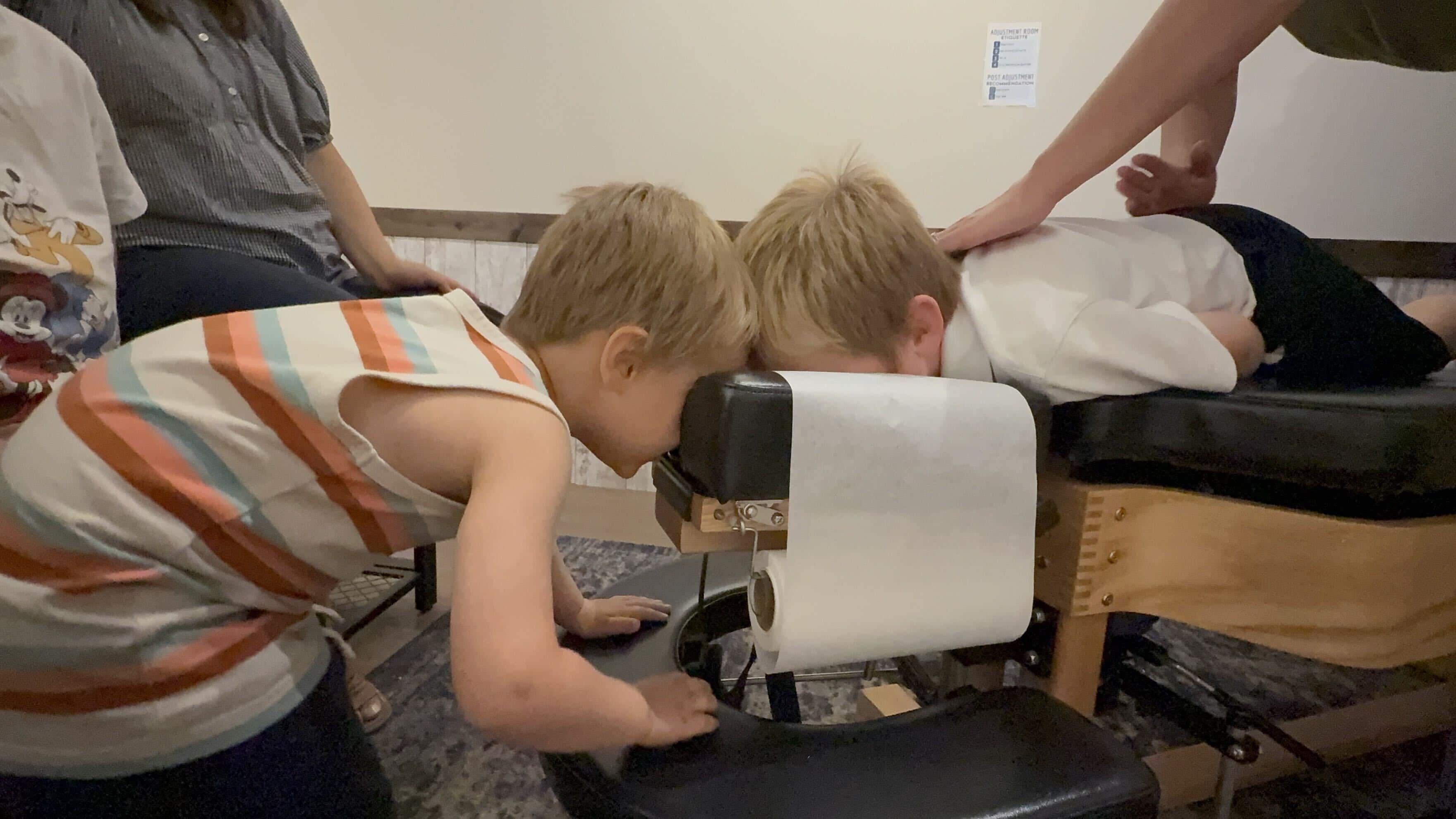
There’s no one-size-fits-all approach to caring for your nervous system.
Have you ever watched someone receive a chiropractic adjustment and wondered why their experience looked completely different from yours? Maybe you’ve seen someone receive a traditional, hands-on adjustment while another person was adjusted using a small instrument that delivered a gentle impulse. You might have even wondered, Does one approach work better than the other?
The truth is, chiropractic care doesn’t have to look the same for everyone.
At Hope Chiropractic, we believe every person deserves an approach that considers their individual needs, comfort level, and clinical presentation. Whether someone prefers a traditional manual adjustment or a gentler, instrument-based approach, the goal is to provide thoughtful, individualized care.
What Is the Difference Between Manual and Instrument-Based Adjustments?
While both approaches are used in chiropractic care, they look and feel a little different.
Manual Adjustments: Hands-On Care
Manual adjustments involve a chiropractor using their hands to apply a controlled force to a specific joint. These adjustments may involve a quick, precise movement and sometimes produce the familiar popping or cracking sound that many people associate with chiropractic care.
That sound is caused by a change in pressure within the joint and the release of gas bubbles. It isn’t a measure of how effective an adjustment is, and an adjustment doesn’t have to produce a popping sound to be beneficial.
Some people prefer manual adjustments because they appreciate the hands-on approach. Depending on the person and the clinical situation, a chiropractor may use different positions, techniques, and amounts of force to address their needs.
Instrument-Based Adjustments: A More Targeted Approach
Instrument-based adjustments use a handheld device to deliver a controlled, typically low-force impulse to a specific area.
These instruments can allow a chiropractor to deliver an adjustment without the same type of hands-on movement used in traditional manual techniques. For people who feel nervous about twisting movements, prefer less force, or simply feel more comfortable with a gentler approach, this may be a helpful option.
Instrument-based techniques can also be useful when a chiropractor determines that a lower-force approach is appropriate for a person’s individual circumstances.
And no, a gentler adjustment doesn’t automatically mean a less meaningful one! The amount of force used is only one part of determining which technique is appropriate.
Why Might Two People Receive Different Adjustments?
Think about it this way: You wouldn’t expect a newborn, a school-aged child, an expectant mother, and an adult who spends eight hours a day at a desk to have identical needs.
So why would we expect their chiropractic care to look exactly the same?
Several factors may influence which adjustment approach a chiropractor chooses.
1. Age and stage of life
A baby’s care will look very different from an adult’s care. Children, older adults, and people experiencing changes during pregnancy may benefit from techniques selected specifically for their age, physical development, and individual circumstances.
2. Individual comfort and preferences
Some people love traditional manual adjustments. Others feel anxious about the popping sound or the idea of a quick movement. Some simply prefer a gentler experience.
Your comfort matters. Sharing your concerns with your chiropractor helps the two of you determine an approach that feels appropriate for you.
3. Your health history and clinical presentation
Previous injuries, medical conditions, mobility, symptoms, and other health considerations can influence which techniques are suitable. Your chiropractor should take these factors into account when evaluating your needs and determining how to proceed.
4. The area being addressed
Different regions of the body have different structures and movement patterns. Your chiropractor may use different techniques depending on the area being treated and the purpose of the adjustment.
5. Your response to care
As your needs and circumstances change, your chiropractor may reassess the approach being used. Care should be guided by appropriate clinical findings, ongoing communication, and your response to treatment—not simply by a desire to make every adjustment look the same.
Does a Gentler Adjustment Mean You Need Less Care—or That It’s Less Effective?
Not necessarily.
The technique used during an adjustment and the overall plan of care are two different things. A lower-force technique doesn’t automatically mean someone needs fewer visits, just as a traditional manual adjustment doesn’t automatically mean someone needs more.
The appropriate frequency and duration of care depend on the individual’s circumstances, goals, clinical findings, and response over time.
It’s also important to remember that no single adjustment technique is best for everyone, and research findings can vary depending on the condition being treated and the outcome being measured. Your chiropractor should be able to explain why a particular approach is being recommended, what it is intended to help with, and what results you can reasonably expect.
At Hope, we want you to feel informed and comfortable asking questions about your care.
What Does This Have to Do With the Nervous System?
At Hope Chiropractic, we take a neurologically based approach to chiropractic care. That means we look beyond simply where someone feels discomfort and consider how their nervous system and body are functioning together.
Your nervous system plays a role in coordinating movement, processing sensory information, and regulating many of the body’s functions. When we evaluate someone, we consider their history, symptoms, examination findings, and other appropriate measures to help guide clinical decisions.
Different adjustment techniques provide different ways to apply a chiropractic adjustment. However, the technique itself doesn’t guarantee a particular nervous system response or outcome. That’s why individualized evaluation, appropriate technique selection, and ongoing reassessment matter.
Our goal is to help you better understand your body, explore appropriate care options, and make informed decisions about your health.
What If You’re Nervous About Getting Adjusted?
First, you’re not alone!
Maybe you’ve heard stories about chiropractic adjustments that made you hesitant. Maybe you had an experience in the past that wasn’t right for you. Or perhaps the idea of a hands-on adjustment simply makes you uncomfortable.
You don’t have to ignore those feelings or push past your concerns.
Tell your chiropractor what makes you nervous. Ask about the different techniques available. Find out what an adjustment will involve before it happens. You can also communicate your boundaries and ask to pause at any time.
A good chiropractic experience should include clear communication, informed consent, and a willingness to discuss alternatives when appropriate.
At Hope Chiropractic, we want our practice members to know that they can ask questions and be active participants in their care.
Your Care Should Reflect You
Chiropractic care isn’t about finding one technique and using it on everyone. It’s about understanding the person in front of you and determining which approach is appropriate for their individual needs.
Manual adjustments and instrument-based techniques each have a place in chiropractic practice. Neither should be chosen simply because it looks more impressive, feels more familiar, or is what someone else prefers.
The best starting point is a conversation about your needs, your comfort, and your goals.
If you’ve been curious about chiropractic care but have hesitated because you’re unsure what an adjustment might feel like, we’d love to help you explore your options.
At Hope Chiropractic, we’re here to provide answers, help you understand your nervous system, and walk alongside your family as you make informed decisions about your health.
Because care should never be one-size-fits-all.
Have questions about which adjustment approach may be appropriate for you or your child? Reach out to our team at Hope Chiropractic. We’re happy to talk through your concerns and help you understand your next steps. 💙