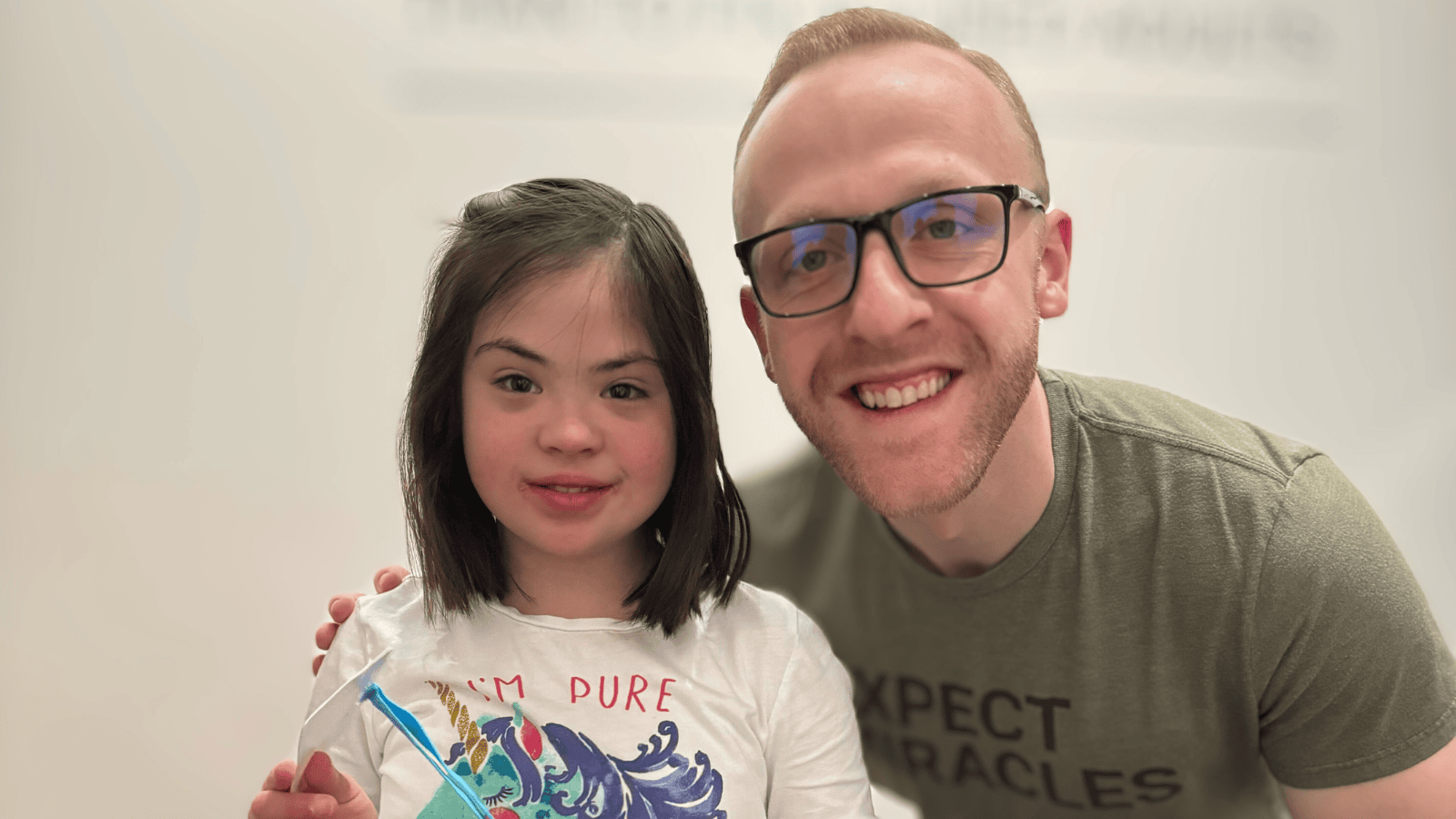
When Valeria first walked into our office, we weren’t just looking at a list of diagnoses. We were looking at a little girl who didn’t feel comfortable in her own body.
She struggled daily with chronic neck and low back pain, frequent headaches, constipation, and poor coordination. She fell often. Movement wasn’t fluid or confident — it looked effortful. Alongside that, she carried diagnoses of developmental coordination disorder, ADHD, and ASD traits. Under stress, her system didn’t regulate well. Her symptoms felt unpredictable and disconnected.
Her parents told us something that we hear far too often: “We were told many things looked ‘normal’ and that she might grow out of it. But she didn’t.”
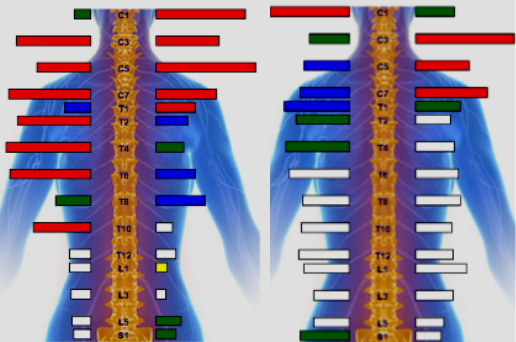
From a clinical perspective, what we saw was not a child who would simply “grow out of it.” We saw a nervous system stuck in survival and compensation. Her scans reflected disorganization and stress patterns that matched exactly what her parents were describing in real life — a system working hard but not working efficiently.
So, we didn’t chase symptoms. We didn’t try to force behavior change. We focused on restoring brain-to-body communication and improving organization within her nervous system.
As her care progressed, something shifted. Her body began to feel safer. Coordination improved. She wasn’t falling as often. Movement became smoother and more confident. The chronic tension that once caused her headaches and back pain began to settle. Stress responses softened. Instead of constantly compensating, her system began to regulate.
What we’ve learned through Valeria’s case is that when a child doesn’t feel safe or organized neurologically, it shows up everywhere — movement, digestion, behavior, pain, emotional regulation. And when you support the nervous system at its root, the body often does what it was designed to do all along.
Her follow-up scans mirrored the changes we were seeing clinically: better organization, improved balance, and a nervous system that could adapt instead of overwhelming. This case was never about fixing a label. It was about giving Valeria’s nervous system the support it needed to function and grow.
Today, she moves with more confidence. Her body feels more predictable. And perhaps most importantly, she feels more at home in herself. That’s the kind of change that doesn’t happen by waiting to “grow out of it.” It happens when the nervous system is finally given the chance to do its job.