When Kaiyin first walked into our office, it was clear his nervous system was overwhelmed. He was experiencing emotional dysregulation, anxiety, ADHD, intrusive thoughts, and periods of self-harm. Small stressors quickly escalated into overwhelm or anger. Sleep was inconsistent, social environments felt intense, and regulating his emotions required constant effort. He was also dealing with persistent left knee pain and relying on multiple medications to function day by day.
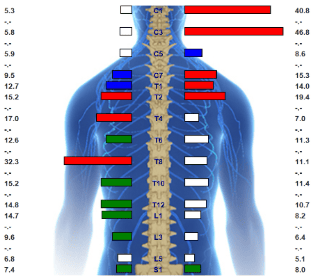
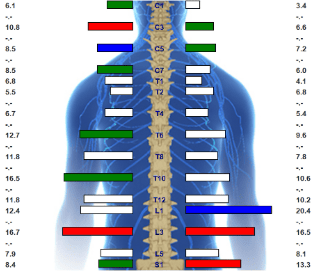
On paper, much of this had been labeled “normal” or something he might outgrow. But clinically, what we saw told a different story. What changed the trajectory of his care wasn’t another strategy — it was identifying the underlying neurological stress driving his symptoms.Through objective nervous system scans, we found clear signs of a system stuck in survival mode.
His nervous system was overactive, inefficient, and working without adequate reserve. Emotional regulation, focus, behavior, sleep, and even pain processing all depends on proper neurological regulation. In Kaiyin’s case, that regulation was compromised. Care focused on reducing neurological stress, improving communication between the brain and body and helping his nervous system organize and stabilize. This wasn’t about chasing symptoms. It was about restoring functions.
Regulation improved gradually as neurological stress decreased. His parents reported his self-harm behaviors resolve. Emotional and social challenges decreased significantly. Sleep became more predictable. His thought patterns stabilized. He demonstrated increased independence and motivation. His knee pain resolved, allowing him to stay active and play basketball later in the day.
Additionally, Medication reliance decreased as his nervous system demonstrated improved regulation capacity. Just as importantly, his follow-up scans reflected what we were seeing clinically — improved organization, more efficient signaling, and a nervous system better able to regulate stress and emotion independently.
Hard days still occur. But they no longer destabilize him the way they once did. This case was never about “fixing” a diagnosis. It was about restoring neurological regulation and giving Kaiyin’s nervous system the support it needed to function the way it was designed to.