
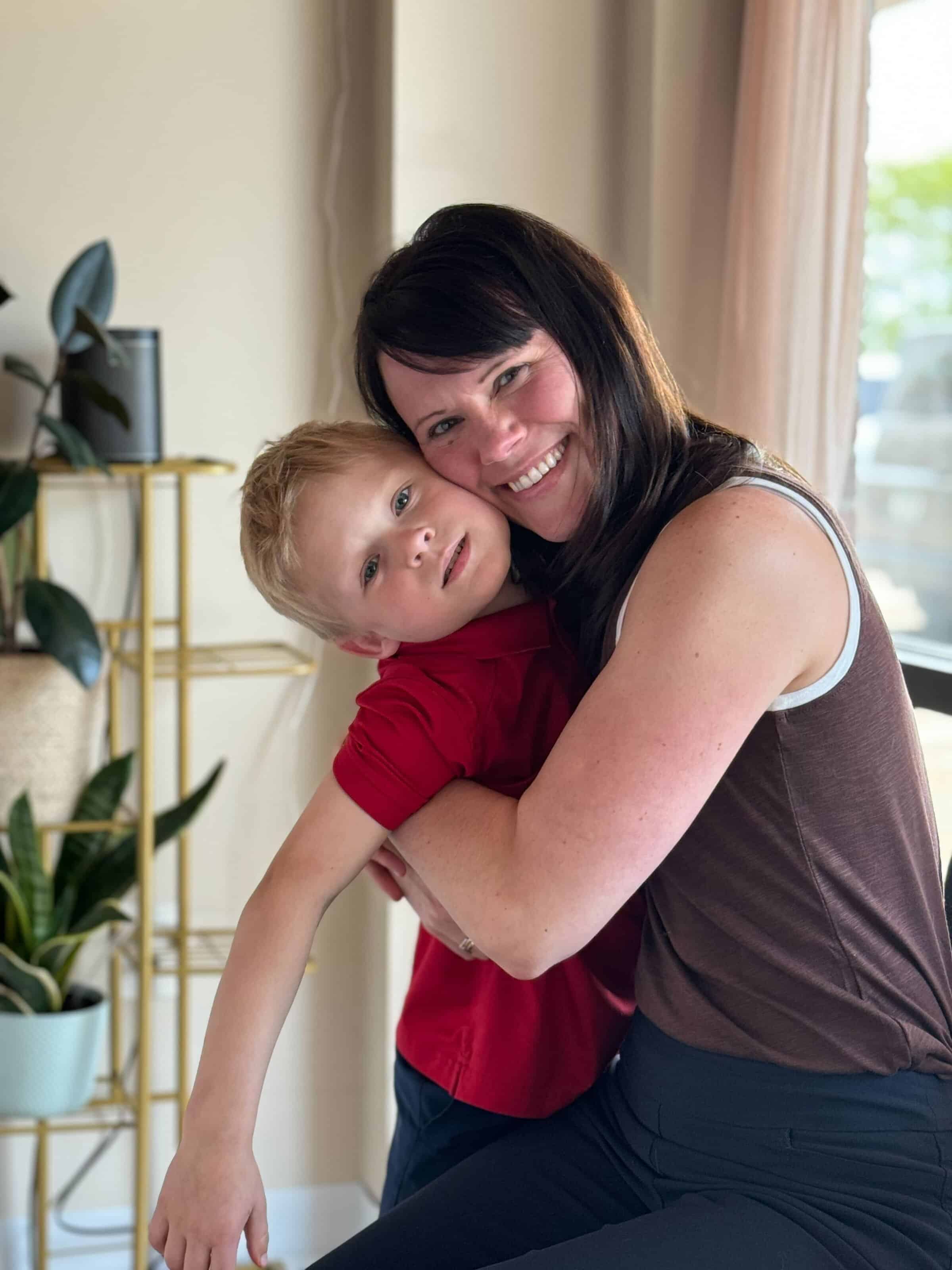
Today's families are busier, more connected, and more overstimulated than ever before.
Between school, sports, work, screens, and daily responsibilities, it can sometimes feel like your nervous system never gets a break. And because the nervous system runs everything in the body — mood, sleep, immune function, movement, digestion, and development — ongoing stress can quietly chip away at how well we feel and function.
Here are the top three nervous system stressors we see most often in families — and why understanding them matters.
1. Emotional & Mental Stress (The Constant "Go Mode")
This is the most familiar type of stress — the one we feel. Busy schedules, pressure to perform, social dynamics, financial stress, school demands, family responsibilities — it all keeps the nervous system stuck in fight-or-flight mode.
For kids, this may look like:
- Trouble focusing
- Emotional outbursts
- Anxiety or overwhelm
- Difficulty winding down or sleeping
For adults, it may show up as:
- Irritability or burnout
- Fatigue
- Trouble switching off
- Tight shoulders and tension
The problem isn't stress itself — it's never shifting out of stress mode.
A healthy nervous system should move between activity + recovery. When it can't, the body eventually compensates with symptoms.
2. Physical Stress (Small Repetitions Add Up)
Physical stress isn't just big injuries. It's also the repetitive, everyday load on the body, especially the spine and posture.
Common examples include:
- Sitting most of the day
- Tech neck
- Sports strain
- Poor posture
- Heavy backpacks
- Birth stress for infants
- Old injuries that never fully resolved
When posture shifts forward and muscles tighten to compensate, the nervous system has to work harder just to keep you upright. Over time, that tension can change how the brain and body communicate — especially in growing kids.
You may see:
- Headaches
- Stiffness
- Weak core stability
- Fatigue
- Clumsiness
- Sensory overwhelm
Again — it's usually not the one event — it's the accumulation.
3. Chemical Stress (What Goes In, On, and Around Us)
Our bodies are constantly processing what we breathe, eat, drink, absorb, and medicate.
Chemical stress can come from:
- Highly processed foods
- Blood sugar swings
- Hydration issues
- Household or environmental toxins
- Medication load
- Food sensitivities
For many families, especially kids, this can influence:
- Gut health
- Energy levels
- Immune resilience
- Mood and focus
Your nervous system and gut talk constantly — so when one is stressed, the other often is too.
Why This Matters for Families
Kids don't often say,
"Hey mom, I think my nervous system is stressed."
Instead, they show it through behavior, sleep, digestion, immune struggles, meltdowns, or movement issues. Adults tend to push through — until the body forces a slowdown.
When stress becomes chronic, the nervous system loses balance — stuck "on" or stuck "off." That's when adaptability drops, and health challenges start stacking up.
The Good News? The Nervous System Can Heal
Healthy families don't eliminate stress — they build resilience.
That looks like:
- Structured rest
- Movement
- Play
- Breathwork
- Quality sleep
- Supportive nutrition
- Positive connection
- And for many families — nervous system-focused chiropractic care
Gentle, neurologically-based chiropractic helps restore balance and adaptability so the body can shift out of survival mode and back into healing mode.
Because when the nervous system works better — everything works better.
Why Whole Family Care at Hope Chiropractic Makes Such a Difference
One of the most powerful ways to support nervous system health is to care for the whole family — not just the person who's struggling the most.
At Hope Chiropractic, we focus on the nervous system because it controls every function of the body. When one family member is stuck in "stress mode," it often affects the entire home — sleep rhythms change, emotions run higher, routines get disrupted, and stress compounds.
When everyone gets checked and cared for together, something amazing happens:
- Parents regulate better — so kids feel safer and calmer
- Kids adapt better — so home life becomes smoother
- Sleep, mood, digestion, immune function, and energy often improve
- Families begin living more from ease than from survival
Family care also helps remove stress patterns that can quietly build over time — like birth stress in infants, posture stress in teens, or long-term work and life pressures in parents.
Our scans allow us to measure how each nervous system is adapting, then create gentle, individualized care plans. No cracking or forcing — just strategic, neurologically-based adjustments that help restore balance and healing.
Because when the whole family's nervous system is supported, you don't just get healthier individuals —
you get a calmer, more connected, more resilient home.
And that's what we're all about at Hope Chiropractic.
Final Thought
You can't control every stress your family experiences — but you can support the system designed to handle it.
Small, consistent choices add up.
Healthy nervous systems create healthier kids.
And healthy kids grow into resilient adults.
If you'd like to learn how we evaluate nervous system stress in families, we'd love to help.